
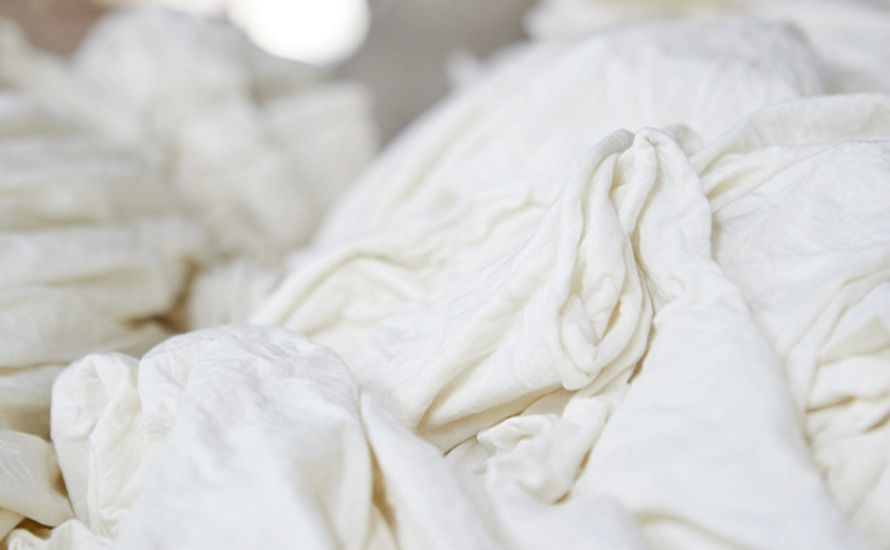
Choosing underwear by its cut, colour or silhouette makes sense, but in everyday wear one decision has an even greater impact on the experience: the fabric. It is the first thing to come into contact with the skin and determines the feel, thermal comfort, moisture management, freedom of movement and, over time, the durability of the garment.
In underwear, theory is tested very quickly. A material may feel pleasant to the touch yet perform differently after several hours, in changing temperatures or after frequent washing. That is why it is worth understanding what each fibre offers before you choose.
At ZD Zero Defects, we work with Egyptian cotton, organic cotton, mercerized cotton, soy yarn and Modal because each fabric meets a different need. The aim is not to decide which is best in absolute terms, but to find the one that best suits the garment, the season, your lifestyle and the sensation you want against your skin.
1. Why fabric completely changes an underwear garment
When we talk about comfort, we often compress many sensations into a single word. In reality, the comfort of underwear depends on several very specific factors:
- Feel: how the surface of the fabric feels during many hours of contact.
- Breathability and moisture: its ability to maintain a fresh sensation and prevent the fabric from feeling heavy.
- Adaptability: how it moves with the body when walking, sitting or resting.
- Stability: its ability to retain its shape without stretching, rolling up or shifting.
- Durability: how it responds to frequent wear and repeated washing.
Context matters too. You do not look for exactly the same qualities in an undershirt worn through a long day, a summer boxer brief, women’s underwear for sensitive skin, fine socks or pyjamas designed for lightweight comfort.
2. Egyptian cotton: a balance of softness, breathability and durability
Egyptian cotton stands out for the length of its fibres. This characteristic makes it possible to produce fine, even and strong yarns that feel soft and maintain good stability with wear. It is a highly versatile choice for anyone seeking the natural feel of cotton without giving up body and durability.
At ZD, we use stretch Egyptian cotton in boxer briefs, briefs and undershirts. The combination of long fibres, controlled elasticity and anatomical pattern cutting helps the garment move with the body and recover its shape.
Egyptian cotton may be especially suitable if:
- You want a versatile garment for everyday wear.
- You value a natural, soft feel with some structure.
- You prioritise resistance to frequent wear and washing.
- You want a reliable foundation for men’s underwear and undershirts.
Discover in greater detail how we work with Egyptian cotton.
3. Organic cotton: natural comfort and traceability
Organic cotton offers the familiar breathability and absorbency of cotton, but it comes from certified farming systems that restrict certain synthetic inputs and prohibit genetically modified seeds. For many people, its value lies both in the natural feel of the fibre and in the traceability of its origin.
The final softness of a garment does not depend solely on the cotton being organic: fibre quality, spinning, fabric construction and finishing also play a part. When well made, it can create comfortable, clean and durable essentials for everyday contact with the skin.
Organic cotton may be a good choice if:
- You prefer a natural and breathable fibre.
- You value certification, traceability and a more controlled origin.
- You want everyday underwear with a simple, pleasant feel.
- You want to add essentials that support a more considered way of buying.
Find out more about ZD organic cotton and explore Our fabrics.
4. Mercerized cotton: fineness, elegance and durability
Mercerized cotton, known in Spain as Hilo de Escocia, is not a fibre separate from cotton. It is long-staple cotton that undergoes combing, singeing, twisting and mercerization. These processes improve yarn evenness, remove some surface fuzz and give it a smoother, finer and subtly lustrous finish.
The result is a lightweight, breathable and resistant fabric with a particularly refined appearance. At ZD, we use it in men’s underwear, undershirts, socks and pyjamas for those seeking a classic, fresh and elegant garment that retains its appearance well.
Mercerized cotton may be especially suitable if:
- You prefer a fine, smooth and fresh feel.
- You are looking for a discreet, more refined appearance.
- You value durability and stability in lightweight garments.
- You want undershirts or socks that sit discreetly under clothing.
Discover garments made from mercerized cotton.
5. Soy yarn: a silky feel and exceptional softness
Soy yarn, also known as soy protein fibre, is produced from proteins derived from by-products of the food industry. Its smooth surface and silky feel create a particularly pleasant sensation in garments worn directly against the body for many hours.
At ZD, we use it for its lightness, its ability to manage moisture and its gentle feel against the skin. This is why it is especially appreciated by people looking to reduce the sensation of friction or who have particularly sensitive skin.
Soy yarn may be right for you if:
- Your priority is immediate, enveloping softness.
- You want a lightweight garment that manages moisture well.
- You have sensitive skin or find friction uncomfortable.
- You want a different alternative to traditional cotton fabrics.
Learn more about its characteristics on our soy yarn page.
6. Modal: lightness, fluid drape and a second-skin feel
Modal is a plant-based cellulosic fibre made from wood. It is known for its silky feel, fluid drape and lightweight sensation, moving with the body without stiffness. It also offers good moisture absorption.
These qualities make it particularly suitable for pyjamas and garments where freedom of movement, softness and low weight are priorities. During warmer months or while resting, its flexibility can feel especially comfortable.
Modal may be a good option if:
- You want a lightweight, flexible and fluid garment.
- You prefer a silky feel and a less structured drape.
- You want comfort for resting or for wearing over many hours.
- You prioritise a fresh, low-bulk sensation.
Read more on our dedicated Modal fabric page.
7. Comparison table: what each fabric offers
The following comparison summarises the main differences. It should be read as a practical guide: the final result also depends on fabric weight, knit structure, pattern cutting and garment construction.
| Fabric | How it feels | Main strength | Particularly suitable for |
|---|---|---|---|
| Egyptian cotton | Soft, natural and with body. | Balance of comfort, breathability and durability. | Everyday underwear and undershirts. |
| Organic cotton | Natural, breathable and pleasant. | Traceability and everyday comfort. | Essentials for men and women. |
| Mercerized cotton | Fine, smooth, fresh and subtly lustrous. | Elegance, lightness and stability. | Men’s underwear, undershirts, socks and pyjamas. |
| Soy yarn | Very soft, silky and lightweight. | Gentleness and moisture management. | Garments worn directly against the skin and sensitive skin. |
| Modal | Fluid, flexible and almost imperceptible. | Lightness, drape and absorbency. | Pyjamas and soft garments worn for long hours. |
8. Quick guide to choosing
If you are still unsure, start with the sensation or need you value most:
- I want a versatile and durable everyday fabric → Egyptian cotton.
- I am looking for a certified, traceable natural fibre → Organic cotton.
- I prefer a fine, fresh and elegant finish → Mercerized cotton.
- I need exceptional softness and minimal friction → Soy yarn.
- I prioritise lightness, fluidity and rest → Modal.
9. Which fabric to choose for your lifestyle
For long days and everyday wear
Egyptian cotton offers a very complete balance of feel, structure and durability. Mercerized cotton can be a particularly interesting alternative when you want a finer, fresher and more discreet garment under clothing.
For warmer months
Modal, soy yarn and mercerized cotton all offer a lightweight sensation, but in different ways: Modal stands out for its drape, soy for its silky feel, and mercerized cotton for its fineness and freshness.
For particularly sensitive skin
Organic cotton and soy yarn are often the most valued options when soft, natural contact is the priority. In every case, size, seams, finishes and the detergent used should also be considered.
For rest
Modal is especially pleasant thanks to its lightness and freedom of movement. Anyone who prefers a more classic, fine and structured pyjama can find an excellent alternative in mercerized cotton.
For garments that need to retain their appearance
Egyptian cotton and mercerized cotton stand out for their durability and stability when the raw material, construction and care are appropriate.
10. The type of garment also changes the choice
A single fabric does not behave in exactly the same way in every garment. Before deciding, consider where and how it will be worn:
- Men’s and women’s underwear: fit, recovery and softness in contact areas are essential.
- Undershirts: fineness, breathability and the ability to remain discreet under other layers are especially important.
- Pyjamas: drape, freedom of movement and thermal comfort become more prominent.
- Socks: resistance to friction, stability and moisture management are decisive.
That is why the best choice is not simply the fabric that sounds most appealing on paper, but the combination of material and garment that meets its real use.
11. Fabric matters, but it does not work alone
The quality of underwear also depends on how the fibre is transformed. A good material can lose some of its advantages if the pattern is wrong, the size does not fit or the seams create pressure.
- An anatomical cut helps the garment move with the body.
- Elasticity and recovery prevent shifting and deformation.
- Flat seams and carefully finished edges reduce the sensation of friction.
- The correct size allows the fabric to work as designed.
- Proper care preserves feel, shape and durability.
At ZD Zero Defects, every garment is made entirely in our factory in Mataró, which has been operating since 1920. Our control over cutting, sewing and finishing allows us to adapt each fabric to the specific function of the garment.
Conclusion: the best fabric is the one that fits your way of life
Egyptian cotton, organic cotton, mercerized cotton, soy yarn and Modal are not competing to offer exactly the same thing. Each provides a different response: durability, traceability, fineness, gentleness or lightness.
Understanding these differences helps you choose more confidently and build an underwear wardrobe suited to different seasons and moments. Explore all the materials in Our fabrics and discover our men’s underwear and women’s underwear collections.
Frequently asked questions about underwear fabrics
What is the best fabric for everyday underwear?
Egyptian cotton is a highly versatile option thanks to its balance of softness, breathability and durability. Organic cotton is also suitable when natural feel and traceability are priorities.
What is the difference between Egyptian cotton and mercerized cotton?
Egyptian cotton is defined by its origin and fibre length. Mercerized cotton is long-staple cotton transformed through processes such as combing, singeing, twisting and mercerization, giving it a finer, smoother and more lustrous finish.
Which fabric should I choose for sensitive skin?
Soy yarn and organic cotton are often especially appreciated for their soft feel. Comfort also depends on seams, size, dyes, finishes and individual sensitivity.
Which fabric feels coolest in summer?
Mercerized cotton stands out for its fineness, Modal for its lightness and drape, and soy yarn for its soft feel and moisture management. Garment thickness and fit also influence thermal comfort.
Is Modal a natural fabric?
Modal is a plant-based cellulosic fibre made from wood through an industrial process. It is therefore not a natural fibre in the strict sense, like cotton, but a manufactured cellulosic fibre.
Do I always need to choose the same fabric?
No. Alternating fabrics lets you adapt underwear, undershirts, socks and pyjamas to different temperatures, activities and preferences in feel.





